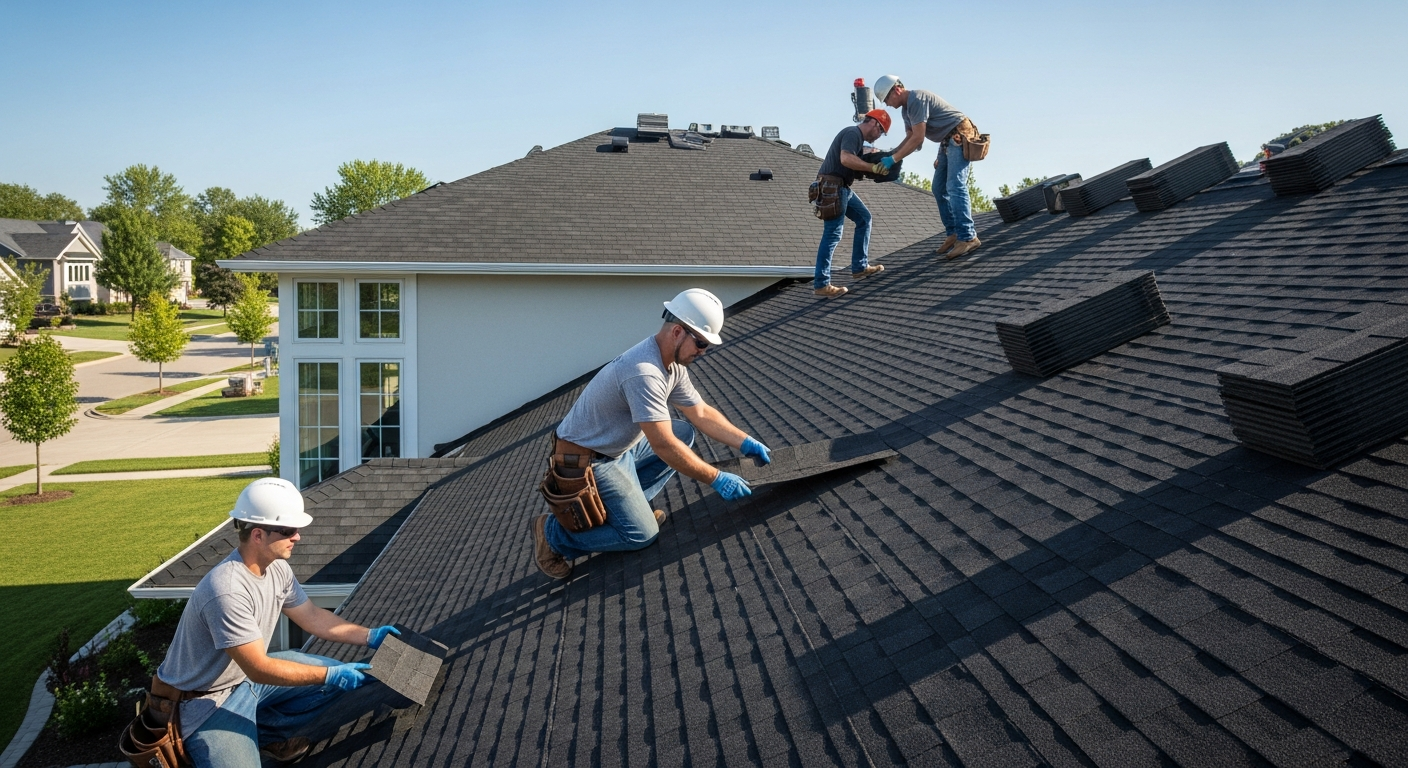
Knowing when to replace your roof can save you thousands of dollars in water damage and emergency repairs. Most asphalt shingle roofs last 20-25 years, but various factors can shorten this lifespan. Here are seven critical warning signs that indicate it's time to consider a roof replacement for your Northern Virginia home.
1. Your Roof is 20-25 Years Old
Age is the most straightforward indicator that your roof may need replacement. Even if your roof looks decent from the ground, asphalt shingles deteriorate over time due to constant exposure to UV rays, temperature fluctuations, and weather extremes. In Northern Virginia, where we experience hot, humid summers and cold winters with ice and snow, roofs often reach the end of their useful life around the 20-year mark.
If you don't know your roof's age, check home improvement records, ask previous owners, or have a professional roofing contractor inspect it. Even well-maintained roofs eventually need replacement. Planning ahead allows you to budget appropriately and avoid emergency replacement costs when your old roof fails unexpectedly.
2. Shingles Are Curling, Cracking, or Missing
Visible shingle damage is a clear sign your roof is failing. Shingles that curl at the edges or in the middle indicate they've passed their life expectancy. Cracked shingles result from wind damage and years of thermal expansion and contraction. Missing shingles leave your roof deck exposed to water infiltration.
While replacing a few damaged shingles is a reasonable repair for a relatively new roof, widespread shingle damage across large sections indicates systemic failure. If more than 20-30% of your roof shows significant shingle deterioration, replacement is typically more cost-effective than ongoing repairs. A professional inspection can help you determine whether repair or replacement is the best option.
3. Granules Are Accumulating in Gutters
Asphalt shingles are covered with protective granules that shield the underlying asphalt from UV damage. Over time, these granules loosen and wash into your gutters. While some granule loss is normal, especially during the first year after installation, excessive granule accumulation indicates advanced shingle deterioration.
Check your gutters and downspouts for granule buildup. If you notice significant amounts—enough to fill the palm of your hand after cleaning gutters—or if shingles appear darker or have bald spots where granules have worn away, your roof is likely nearing the end of its lifespan. Granule loss accelerates shingle aging and compromises your roof's ability to protect your home.
4. Daylight Is Visible Through the Roof Boards
Go into your attic during daylight hours and look up. If you can see daylight coming through cracks or holes in the roof deck, you have a serious problem. This indicates gaps where the roof structure has deteriorated or where shingles and underlayment have failed. Where light can enter, so can water, snow, and cold air.
While in your attic, also check for water stains, dark spots, or trails indicating water intrusion. Feel the underside of the roof deck for dampness or soft, deteriorating wood. These are all signs that water has been penetrating your roof, potentially for some time. Roof deck damage often requires more than simple shingle replacement and may indicate the need for extensive repairs or complete roof replacement.
5. Sagging Roof Areas
A sagging roof is a serious structural issue that demands immediate attention. Sagging typically indicates prolonged water damage to the roof deck or structural supports, often resulting from leaks that have gone unaddressed for extended periods. This problem won't fix itself and will only worsen over time.
Check your roof's ridgeline and overall surface from ground level. It should appear straight and even. Any sagging, drooping, or uneven areas signal structural compromise. Even slight sagging requires professional evaluation, as it may indicate rotting deck boards, damaged rafters, or failing support structures. In severe cases, a sagging roof poses a collapse risk and should be addressed immediately.
6. Interior Water Damage or Leaks
Water stains on your ceilings or walls are obvious signs of roof problems. However, not all water damage is immediately visible. Check your attic regularly for musty odors, mold growth, damp insulation, or water stains on rafters and decking. These indicate water is entering your home through your roof.
While a single leak might be repairable, multiple leaks or recurring leaks in the same area often indicate widespread roof failure. Water damage extends beyond the roof itself—it can compromise insulation, damage ceilings and walls, promote mold growth, and even damage your home's structural integrity. If you're experiencing frequent leaks despite repairs, full roof replacement is likely the most cost-effective long-term solution.
7. Moss, Algae, or Fungi Growth
While some moss or algae growth doesn't automatically mean you need a new roof, extensive growth can indicate moisture retention and deteriorating shingles. In Northern Virginia's humid climate, moss thrives on roofs that stay damp. Moss roots can lift shingle edges, allowing water underneath and accelerating deterioration.
Dark streaks on your roof are usually algae, which while unsightly, primarily cause cosmetic damage. However, heavy moss buildup that's widespread across your roof often indicates the shingles are old and porous, retaining moisture. If cleaning doesn't resolve the problem or if moss returns quickly, it may signal that your shingles have deteriorated to the point where replacement is the better option.
What to Do If You Notice These Signs
If you've identified one or more of these warning signs on your roof, the first step is scheduling a professional roof inspection. An experienced roofing contractor can assess the extent of damage, determine whether repair or replacement is more appropriate, and provide an accurate estimate for the necessary work.
At Donovan Roofing, we provide complimentary roof inspections throughout Northern Virginia. Our experienced team will thoroughly examine your roof, provide honest recommendations, and help you understand your options. We can also work with your insurance company if storm damage is involved.
Don't wait until a small problem becomes a major disaster. Early detection and proactive replacement can prevent extensive water damage to your home's interior and save you thousands in emergency repairs. A new roof is a significant investment, but it protects everything inside your home and provides peace of mind for decades to come.
Get Your Free Roof Inspection Today
Concerned about your roof's condition? Contact Donovan Roofing for a comprehensive, no-obligation inspection and expert recommendation.