10 Essential Roof Maintenance Tips Every Homeowner Should Know
Your roof is one of the most important investments in your home, protecting your family and belongings from the elements. Regular maintenance can extend your roof's lifespan by 5-10 years and save you thousands of dollars in premature replacement costs. Here are ten essential maintenance tips that every Northern Virginia homeowner should follow.
1. Schedule Annual Professional Inspections
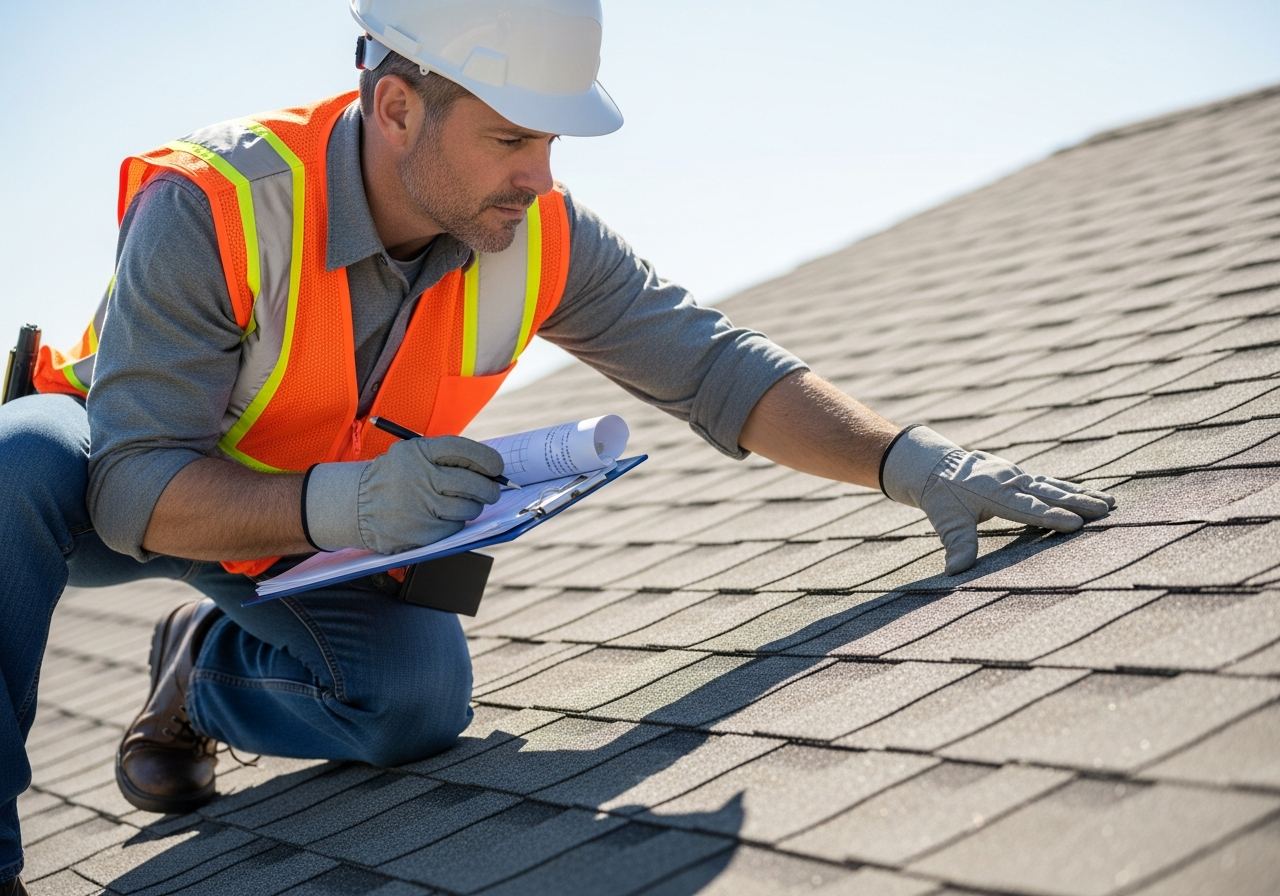
Having your roof professionally inspected at least once a year is the single most important maintenance task. A qualified roofing contractor can identify minor issues before they become major problems. We recommend scheduling inspections in the spring or fall, as these seasons offer ideal weather conditions and allow you to address any damage from winter storms or summer heat before the next extreme season arrives.
During a professional inspection, a roofing expert will check for damaged, missing, or deteriorating shingles, inspect flashing around chimneys and vents, examine gutters and downspouts, look for signs of water damage or leaks, assess the condition of roof valleys, and check for proper ventilation. Many roofing companies, including Donovan Roofing, offer free roof inspections as part of their commitment to homeowner education and safety.
2. Clean Your Gutters Regularly
Clogged gutters are one of the leading causes of roof damage. When gutters fill with leaves, twigs, and debris, water can back up under your shingles, causing rot and leaks. In Northern Virginia, where we experience significant leaf fall in autumn and frequent storms year-round, gutter maintenance is especially critical.
Clean your gutters at least twice a year—once in late spring and again in late fall. If you have many trees near your home, you may need to clean them more frequently. While cleaning gutters, also check for proper slope to ensure water flows toward downspouts, look for signs of rust or corrosion, ensure downspouts direct water away from your foundation, and consider installing gutter guards to reduce maintenance frequency.
3. Trim Overhanging Tree Branches
Trees near your home provide shade and beauty, but overhanging branches can seriously damage your roof. Branches can scrape against shingles during windy conditions, wearing away the protective granules. Falling branches during storms can cause immediate, severe damage. Additionally, leaves and debris from overhanging trees accumulate on your roof and in gutters, creating moisture problems and potential for rot.
Keep tree branches trimmed at least 6-10 feet away from your roof. This distance prevents direct contact while still allowing you to enjoy the benefits of nearby trees. For larger trees or branches near power lines, always hire a professional tree service to ensure safe trimming.
4. Remove Moss, Algae, and Debris
Dark streaks on your roof are often caused by algae growth, while moss appears as green, fuzzy patches. Both organisms thrive in Northern Virginia's humid climate and can damage your shingles over time. Moss roots can lift shingle edges, allowing water infiltration, while algae can deteriorate roofing materials and reduce your roof's ability to reflect heat.
Remove debris like leaves and pine needles regularly, as they trap moisture and promote organism growth. For algae stains, use a solution of one part bleach to two parts water, applied with a low-pressure sprayer. For moss removal, it's best to hire professionals, as aggressive scrubbing can damage shingles. Consider installing zinc or copper strips near the roof ridge to prevent future algae and moss growth.
5. Check and Repair Damaged Shingles Promptly
Missing, cracked, or curling shingles compromise your roof's waterproofing ability. After severe weather events common in Northern Virginia—including high winds, hail storms, and heavy snow—perform a visual inspection of your roof from the ground. Look for shingles that appear damaged, displaced, or missing entirely.
Even a few damaged shingles can lead to water infiltration and interior damage. Replace damaged shingles as soon as possible to prevent water from seeping under healthy shingles and causing rot to the underlying structure. While minor shingle replacement can be a DIY project for experienced homeowners, we recommend hiring professionals for safety and to ensure proper installation.
6. Inspect and Maintain Roof Flashing
Flashing is the metal material installed around roof penetrations like chimneys, vent pipes, and skylights. It directs water away from these vulnerable areas. Damaged or improperly installed flashing is a common source of roof leaks. Regular inspection of flashing is essential for maintaining a watertight roof.
Look for rust spots, cracks, or areas where the flashing has pulled away from the roof or chimney. Check that all flashing is properly sealed with roofing cement. If you notice damaged flashing, contact a professional roofer for repairs. Flashing repair requires specific expertise to ensure a proper seal and prevent leaks.
7. Ensure Proper Attic Ventilation
Many homeowners don't realize that proper attic ventilation is crucial for roof health. Poor ventilation leads to heat and moisture buildup in your attic, which can cause shingles to deteriorate prematurely from the inside out. In summer, excessive attic heat can cause shingles to crack and warp. In winter, warm air from your living space can create ice dams on your roof.
Your attic should have both intake vents (usually in the soffits) and exhaust vents (ridge vents, gable vents, or roof vents). Ensure vents aren't blocked by insulation or debris. Proper ventilation helps regulate attic temperature, prevents moisture accumulation, extends shingle life, and reduces energy costs by preventing heat buildup in summer.
8. Monitor for Signs of Water Damage Inside
Don't wait for water to drip from your ceiling to know you have a roof problem. Many roof leaks start small and cause damage for months before becoming obvious. Regularly check your attic and upper-floor ceilings for warning signs including water stains on ceilings or walls, damp spots or musty odors, sagging ceiling areas, mold or mildew growth, and daylight visible through the roof boards from inside the attic.
If you notice any of these signs, contact a roofing professional immediately. Early leak detection and repair can save you thousands of dollars in structural repairs and prevent mold growth that can affect your family's health.
9. Maintain Proper Roof Drainage
Standing water on your roof, particularly on low-slope or flat sections, can lead to leaks and premature deterioration. After heavy rain, check that water drains properly from your roof. Look for areas where water pools or doesn't drain within 24-48 hours.
Ensure all roof drains, scuppers, and downspouts are clear and functioning. For persistent drainage problems, you may need to consult a roofing professional about improving roof slope or installing additional drainage solutions. Proper drainage is especially important in Northern Virginia, where we receive an average of 40+ inches of rain annually.
10. Document Your Roof's Condition
Keep detailed records of your roof's age, maintenance history, and repairs. Take photos of your roof regularly, especially after storms or when you notice changes. This documentation serves multiple purposes: it helps you track when maintenance is due, provides valuable information if you need to file an insurance claim, assists roofing professionals in assessing your roof's history, and can be a selling point if you decide to sell your home.
Create a simple file with installation date, warranty information, inspection reports, repair receipts and photos, and annual condition photos. This organized approach to roof documentation can save time and money when issues arise and demonstrates responsible home maintenance to potential buyers.
Conclusion
Regular roof maintenance is an investment that pays dividends in extended roof life, prevention of costly repairs, and peace of mind knowing your home is protected. While some maintenance tasks can be performed by homeowners, always prioritize safety and don't hesitate to call professionals for inspections, repairs, or tasks that require roof access.
At Donovan Roofing, we've served Northern Virginia homeowners for over 25 years, and we've seen firsthand how proper maintenance can add years to a roof's lifespan. Our team is always available to answer questions, provide free inspections, and help you develop a maintenance plan tailored to your specific roof and home.
Schedule Your Free Roof Inspection
Don't wait for a small problem to become a major expense. Contact Donovan Roofing today to schedule your complimentary roof inspection and learn more about protecting your home.